
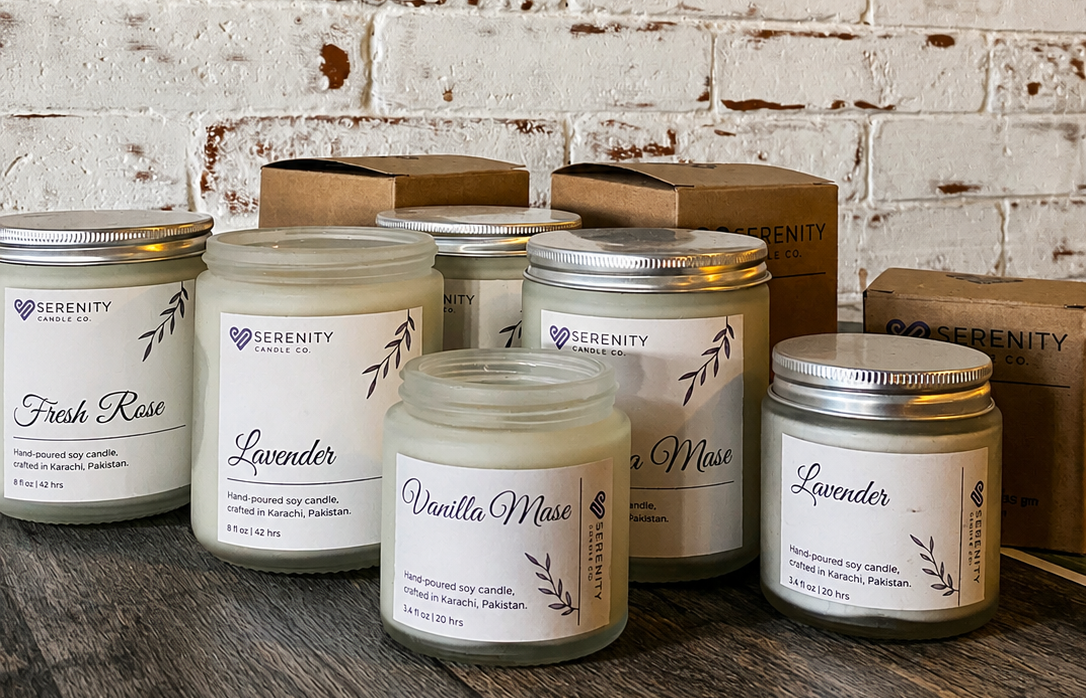
If you’ve searched for scented candles in Pakistan, you’ve probably noticed the market is more crowded than it looks dozens of brands, wildly different prices, and confusing claims about “natural” or “eco-friendly” ingredients. This guide breaks down everything you need to know before you buy, from candle types to pricing to how to spot quality.
Why Scented Candles Have Become a Home Essential in Pakistan
Scented candles have moved from a luxury item to an everyday home essential across Pakistani households. Whether it’s setting the mood for a quiet evening, adding warmth to a living room during winter, or simply masking cooking smells in an apartment, candles offer an easy way to shape how a space feels. Search interest in scented candles across Pakistan has grown steadily, and with that growth has come more choice and more confusion about what actually makes a candle worth buying.
Types of Scented Candles Available in Pakistan
Not all candles are created equal. Here’s a breakdown of what you’ll typically find:
1. Paraffin Wax Candles
The most common and cheapest option, made from a petroleum by product. They hold scent well but can release soot and are generally not considered eco-friendly.
2. Soy Wax Candles
Made from soybean oil, these burn cleaner, last longer, and are biodegradable. Slightly more expensive than paraffin, but the trade-off is a cleaner burn and better air quality at home.
3. Beeswax Candles
Naturally non-toxic with a subtle honey scent of their own, though less common locally and typically pricier.
4. Bakhoor and Oud-Infused Candles
A regional favorite combining traditional South Asian and Middle Eastern fragrance notes with a modern candle format. These have become especially popular as home fragrance during gatherings and festive seasons.
If you’re unsure where to start, our Bakhoor – Luxe Aromatic Candle is a good example of how traditional scent profiles translate into a modern candle.
Scented Candle Prices in Pakistan: What to Expect
Pricing varies a lot depending on wax type, size, and brand positioning:
- Budget paraffin candles: roughly PKR 500–1,200
- Mid-range soy/natural wax candles: roughly PKR 1,500–2,500
- Premium/luxury scented candles (bakhoor, layered scents, designer packaging): PKR 2,500 and above
A useful rule of thumb: if a candle is priced unusually low, it’s almost always paraffin-based with synthetic fragrance oils. Natural wax and better-quality fragrance oils genuinely cost more to produce, and the price usually reflects that.
For reference, our Whisper Series sits in the PKR 1,700 range, while the more concentrated Signature Series starts around PKR 2,100 both made with natural wax.
How to Choose the Right Scented Candle
1. Check the Wax Type First
Look specifically for “soy wax,” “natural wax,” or “coconut wax” on the label. If it just says “wax” with no further detail, it’s likely paraffin.
2. Consider Burn Time, Not Just Price
A cheap candle that burns for 15 hours often costs more per hour of use than a pricier candle that burns cleanly for 40+ hours. Always check the stated burn time before comparing prices.
3. Match Scent to Room and Purpose
- Living/social spaces: warmer, inviting scents like vanilla or bakhoor
- Bedrooms: calming, lighter scents like lavender
- Bathrooms/kitchens: fresh, citrus, or floral notes like rose
Our Lavender – Soothing Essence Candle and Fresh Rose – An Intimate Rose Flame are two of our most-requested scents for exactly this reason one calming, one fresh and floral.
4. Check Where and How It’s Made
Handmade, small-batch candles typically have better fragrance consistency than mass-produced ones, since the wax-to-oil ratio is easier to control at smaller volumes. Look for brands that are transparent about where and how their candles are made, for example, ours are hand-poured in Karachi in small batches.
Common Mistakes When Buying Scented Candles
- Buying based on packaging alone — beautiful packaging doesn’t guarantee scent throw or clean burn.
- Ignoring the wick material — cotton or wood wicks burn cleaner than metal-core wicks, which can release trace metals.
- Not trimming the wick — even the best candle will smoke and burn unevenly if the wick isn’t trimmed to about 1/4 inch before each use.
- Storing candles in direct sunlight or heat — this causes fragrance oils to degrade before you even light the candle.
Final Thoughts
The scented candle market in Pakistan has genuinely improved in quality over the last few years, but price alone isn’t a reliable signal of quality wax type, fragrance sourcing, and burn consistency matter far more. If you’re looking for natural wax, non-toxic, hand-poured options made locally, browse our full scented candle collection to find a scent that fits your space.